How to Optimize Your Budget for Maximum ROI with A/B Testing

November 6, 2025
A diverse marketing team analyzing data charts and brainstorming A/B testing strategies to optimize advertising budget and improve ROI in a modern office setting.

Every dollar counts in digital marketing. Whether you're running Google Ads, Facebook campaigns, or TikTok promotions, the goal is clear: get the best return on investment without draining your budget. But how do you know which ad copy resonates? Which image drives clicks? Which audience segment converts?


The answer lies in A/B testing—a proven method that takes the guesswork out of optimization. By systematically testing different elements of your campaigns, you can make data-driven decisions that maximize ROI and stretch your marketing budget further.


In this post, we'll walk through the fundamentals of A/B testing, explore practical methods for ad campaigns, and share best practices to help you get measurable results.


Understanding A/B Testing

A/B testing (also called split testing) is a method of comparing two versions of an ad, webpage, or marketing asset to determine which performs better. You show version A to one segment of your audience and version B to another, then measure results based on your goals—whether that's clicks, conversions, or engagement.

The purpose? To identify what works and what doesn't, so you can allocate budget toward the winning strategy.


Key elements for effective A/B testing include:

  • A clear hypothesis: What do you expect to happen, and why?
  • A single variable: Change only one element at a time to isolate what's driving results.
  • Sufficient sample size: Ensure your test reaches enough people to produce reliable data.
  • Defined success metrics: Know what you're measuring—click-through rate, cost per lead, conversion rate, etc.


A/B Testing Methods for Ad Campaigns

Now that you understand the basics, let's explore specific testing methods you can apply to your ad campaigns.


Testing Ad Copy

Your ad copy is often the first thing potential customers see. Small changes can have a big impact.

What to test:

  • Headlines: Does a question perform better than a statement? Does including a number boost engagement?
  • Body text: Test short vs. long descriptions, or emphasize different benefits.
  • Calls-to-action (CTAs): Try "Shop Now" vs. "Learn More" or "Get Started" to see which drives action.

For example, if you're running Google Ads, test two headlines that highlight different value propositions. One might focus on price ("Affordable Solutions Starting at $99"), while the other emphasizes speed ("Get Results in 24 Hours").


Testing Visual Elements

Images and videos can make or break an ad. The right visual grabs attention and communicates your message instantly.

What to test:

  • Images: Product photos vs. lifestyle shots, bright colors vs. muted tones, people vs. objects.
  • Videos: Short clips vs. longer storytelling formats, with or without captions, different opening hooks.

On platforms like Facebook and TikTok, visuals are everything. Test whether a carousel ad with multiple images outperforms a single static image, or whether a video with text overlays generates more engagement.


Testing Targeting Options

Even the best ad won't perform if it's shown to the wrong audience. A/B testing your targeting can reveal which segments are most likely to convert.

What to test:

  • Demographics: Age ranges, gender, income levels.
  • Interests: Hobbies, behaviors, or categories your audience engages with.
  • Custom audiences: Website visitors vs. lookalike audiences vs. cold traffic.

For instance, if you're advertising on Facebook, create two ad sets—one targeting people interested in "digital marketing tools" and another targeting "small business owners." Compare performance to determine which audience delivers better ROI.


Testing Ad Placements

Where your ad appears can significantly impact results. Different placements attract different user behaviors.

What to test:

  • Platform differences: Google Search vs. Display Network, Instagram Feed vs. Stories, TikTok Feed vs. Spark Ads.
  • Device types: Mobile vs. desktop performance.
  • Ad positions: Top of page vs. sidebar, in-feed vs. explore page.

Testing placements helps you identify where your audience is most receptive, allowing you to shift budget toward high-performing spots.


Best Practices for A/B Testing

To get the most out of your A/B tests, follow these best practices:


Set Clear Goals and KPIs

Before launching a test, define what success looks like. Are you optimizing for clicks, conversions, or cost per acquisition? Without clear goals, you won't know what to measure or how to interpret results.


Test One Variable at a Time

It's tempting to change multiple elements at once, but doing so makes it impossible to pinpoint what caused the difference. Isolate one variable per test—headline, image, audience, etc.—so you can draw accurate conclusions.


Ensure Adequate Sample Size and Testing Duration

Running a test for just a day or two won't give you reliable data. Let your tests run long enough to gather a meaningful sample size. Most platforms recommend at least 100 conversions per variation before declaring a winner.


Analyze Data Accurately and Make Informed Decisions

Once your test concludes, dig into the numbers. Look beyond surface-level metrics. A higher click-through rate is great, but if it doesn't lead to conversions, it's not a win. Focus on metrics that align with your business goals.


Enhance Your Strategy with Strate-go

Optimizing ad campaigns through A/B testing requires expertise, time, and the right tools. That's where Strate-go comes in. As a full-service digital marketing agency, Strate-go offers comprehensive solutions designed to maximize your ROI across multiple channels.


Services include:

  • SEO: Drive organic traffic with superior website optimization and search engine marketing.
  • Google Ads: Connect with your target audience through powerful PPC campaigns.
  • Facebook Ads: Generate leads and sales with intricate, data-driven Facebook advertising.
  • TikTok Ads: Tap into the power of social media's fastest-growing platform.
  • Listings Management: Get your business info into the hands of local customers searching for you.
  • Social Posting: Dominate your social media presence with curated, industry-specific content.

Whether you're new to A/B testing or looking to refine your approach, Strate-go's team of experts can help you strategize, execute, and succeed.


Start Testing, Start Winning

Budget optimization isn't about spending less—it's about spending smarter. A/B testing gives you the insights needed to make confident, data-backed decisions that improve campaign performance and maximize ROI.


Start small. Test one element at a time. Analyze your results. Then scale what works.

Ready to take your digital marketing to the next level? 


Contact Strate-go today for a free consultation and discover how expert strategies and A/B testing can transform your campaigns.


January 1, 2026
Selecting the right technology stack is one of the most critical decisions a business owner makes. The market is flooded with marketing automation tools, but three names consistently rise to the top: Mailchimp, ActiveCampaign, and HubSpot. Each platform offers distinct advantages depending on your company's size, budget, and goals. At Strate-Go Digital Marketing Agency , we understand that software is not a one-size-fits-all solution. Your choice of platform can determine how effectively you connect with your audience and drive sales. This guide explores the key features of these three industry leaders to help you decide which one aligns best with your digital marketing strategy. Mailchimp: The creative starter Mailchimp is often the first name that comes to mind when people think about email marketing. It built its reputation on being user-friendly, colorful, and accessible for beginners. For many small business owners, Mailchimp is the perfect entry point into the world of digital communication. Key features and benefits Mailchimp excels at design and simplicity. Its drag-and-drop builder allows you to create visually stunning emails without writing a single line of code. Ease of use: You can set up an account and send your first campaign in minutes. Creative templates: It offers a wide variety of pre-designed templates that look professional on any device. Basic automation: You can set up simple welcome sequences and abandoned cart emails to recover lost sales. Free plan: Their "forever free" plan is generous enough for startups with smaller lists to get started without overhead costs. Best use cases Mailchimp is best suited for freelancers, startups, and creative businesses that prioritize newsletters and visual storytelling. If your primary goal is sending beautiful emails to a relatively small list, this is a strong contender. ActiveCampaign: The automation powerhouse If Mailchimp is the friendly entry point, ActiveCampaign is the tool for businesses ready to scale. It is widely regarded as the leader in automation capability. This platform moves beyond simple emails and focuses heavily on the customer journey and logic-based workflows. Key features and benefits ActiveCampaign shines when you need to send the right message to the right person at the exact right time. Advanced automation: The visual workflow builder allows you to create complex sequences based on user behavior, such as clicking a link or visiting a specific webpage. Built-in CRM: It includes customer relationship management (CRM) features designed for small to medium businesses to manage their sales pipeline. Lead scoring: You can assign points to contacts based on their engagement, helping your sales team focus on the hottest leads. High deliverability: ActiveCampaign consistently ranks high for ensuring emails actually land in the primary inbox rather than the spam folder. Best use cases This platform is ideal for e-commerce businesses, B2B companies, and savvy marketers who need robust segmentation. If you want to automate your follow-up processes and nurture leads based on their specific actions, ActiveCampaign is the superior choice. HubSpot: The all-in-one giant HubSpot is more than just an email tool; it is a comprehensive ecosystem for growing businesses. It connects marketing, sales, content management, and customer service into one unified platform. This integration eliminates the need for juggling multiple logins and disparate data sources. Key features and benefits HubSpot offers a depth of functionality that is hard to match. Its primary strength lies in its ability to align marketing and sales teams around a single source of truth. Powerful CRM: The HubSpot CRM is the core of the platform and is free to use. It tracks every interaction a contact has with your brand. Content hub: You can host your website, blog, and landing pages directly within HubSpot for seamless tracking. Sales enablement: It offers tools for meeting scheduling, document tracking, and sales automation to help close deals faster. Scalability: As your business grows, HubSpot grows with you, offering enterprise-level features for large teams. Best use cases HubSpot is perfect for scaling companies and mid-sized organizations that want to consolidate their tech stack. It is the go-to solution for businesses heavily invested in inbound marketing and content creation. Choosing the right path for your growth There is no single "best" tool, only the tool that is best for your current stage of growth. Mailchimp offers a fantastic starting point for creative simplicity. ActiveCampaign provides the engine for businesses ready to automate their growth. HubSpot delivers a complete ecosystem for teams that need marketing and sales alignment. Navigating these choices can be tricky, but you do not have to do it alone. At Strate-Go Digital Marketing Agency, we specialize in building sophisticated strategies that yield incredible outcomes. Whether you need help setting up your automation or driving traffic to your new funnel, our team of 26 expert marketers is here to help. Ready to transform your marketing results? Contact Strate-Go today for a free consultation and let us help you build a strategy that works.
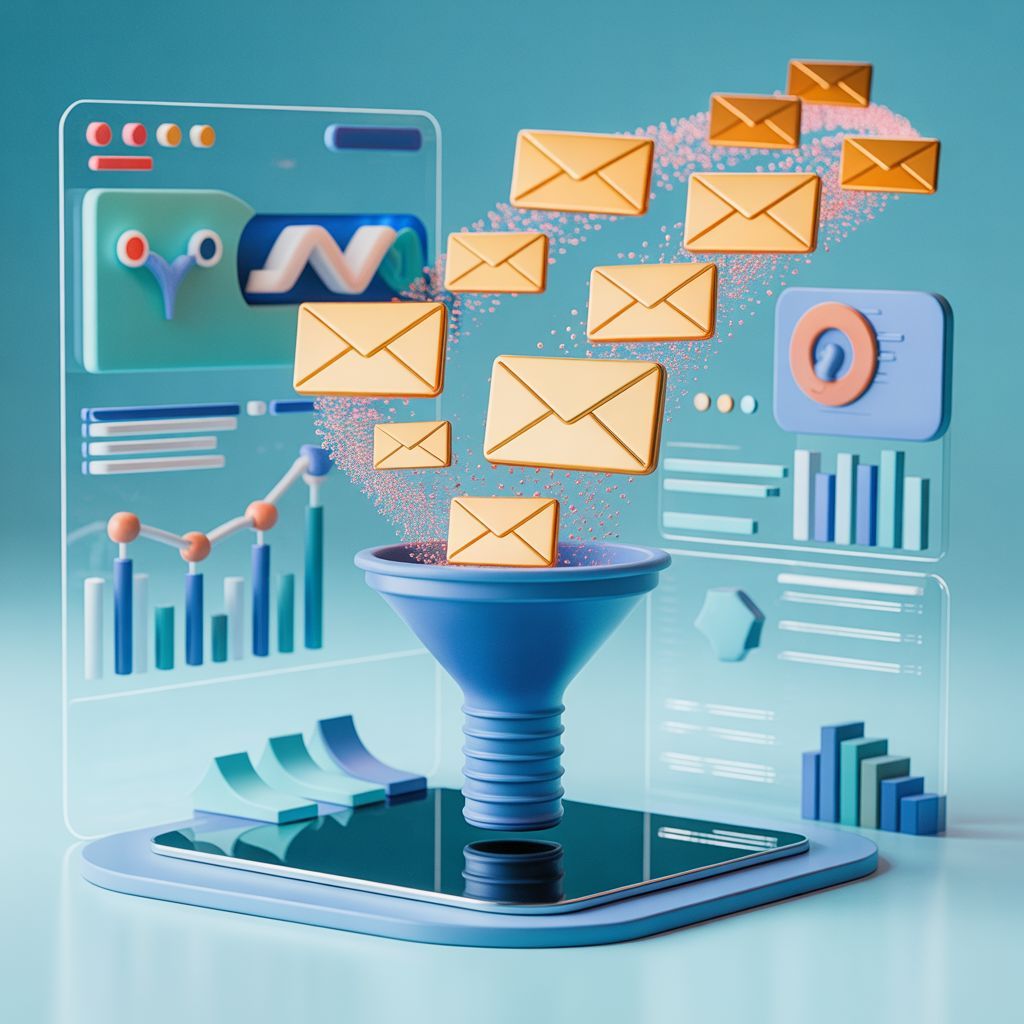
3D illustration of email envelopes flowing into a digital marketing automation funnel
December 4, 2025
Discover segmentation strategies, automated sequences, personalization tips, and analytics methods to boost conversions and streamline your marketing funnel.
Illustration of marketers discussing social media strategies for Instagram, Facebook, TikTok, etc
October 6, 2025
Master Instagram, Facebook, TikTok, and LinkedIn with these proven tactics. Get real engagement and grow your business on social media.
Digital marketing team analyzing social media data on futuristic screens, representing 2025 mdia.
October 6, 2025
Discover the best social media strategies for small businesses in 2025. Learn how to choose the right platforms, create engaging content, and grow your brand online.
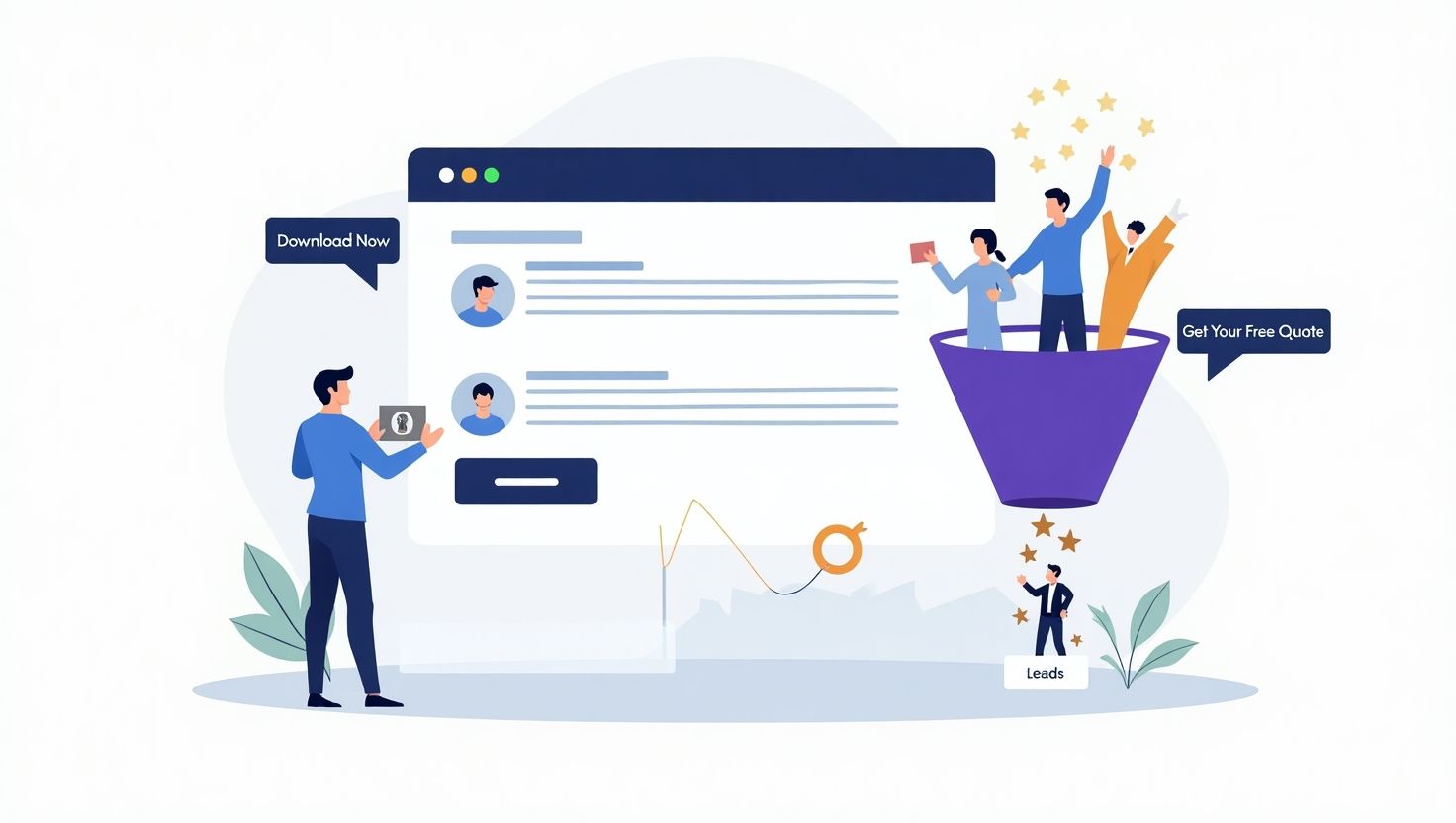
Illustration of a digital marketing funnel showing website visitors converting into leads withC TA
August 27, 2025
Boost conversions with 10 proven techniques. Learn how to turn website visitors into qualified leads using CTAs, landing pages, and lead magnets.
A focused marketing professional reviews a digital sales funnel on dual screens.
July 4, 2025
Learn how to build a high-converting lead funnel that attracts, nurtures, and converts prospects into loyal customers. This step-by-step guide from Strate-Go covers proven strategies, tools, and tips to boost your lead generation and sales performance.
By info July 19, 2021
There are so many good reasons to communicate with site visitors. Tell them about sales and new products or update them with tips and information.
By info July 19, 2021
Write about something you know. If you don’t know much about a specific topic that will interest your readers, invite an expert to write about it.